Table of Contents
When grandparenting philosophies clash with modern parenting, here is how to find common ground without damaging relationships.
All Ages
Jordan Myers
When grandparenting philosophies clash with modern parenting, here is how to find common ground without damaging relationships.
Parenting practices have evolved substantially over the past generation, driven by new research in child development, changes in safety standards, and shifting cultural values. Topics where modern parenting often diverges from previous generations include sleep practices with emphasis on safe sleep environments, feeding approaches including baby-led weaning and introduction of allergens, discipline strategies moving away from spanking toward positive discipline, technology management in an increasingly digital world, and heightened awareness of emotional intelligence and mental health.
These changes can feel like criticism to grandparents who raised their children using different methods. Grandparents may interpret modern practices as implying their parenting was inadequate. It is important to recognize that parenting approaches evolve with new information, just as medical practices and safety standards do. The goal is not to judge the past but to apply the best current knowledge to raise children today.
When parenting philosophy differences arise, start conversations with curiosity rather than criticism. Grandparents can ask questions like, I read that recommendations about this have changed since you were a parent. Can you help me understand the current thinking? Parents can acknowledge their parents' experience by saying, I know you raised us differently and we turned out fine. Here is why we are choosing a different approach.
For grandparents, the most effective strategy is following the parents' lead on parenting decisions, even when you disagree. Unless there is a genuine safety concern, defer to the parents' choices about discipline, nutrition, screen time, and daily routines. Your grandchildren will benefit more from a united family front than from having their grandparents implement different rules than their parents.
For parents, acknowledge your parents' experience and love. Thank them for their concern and explain your reasoning without being defensive. When grandparents make a mistake or overstep, address it privately and calmly rather than in front of the children. Choose your battles carefully and let go of minor differences. A grandparent who gives cookies before dinner once in a while will not derail your child's healthy eating habits, but conflict over the issue could damage your relationship.
"The generation gap is not a wall. It is a bridge that requires effort from both sides to cross. Grandparents and parents who meet in the middle create the strongest foundation for the children they both love."
Focus on shared values rather than specific practices. Both grandparents and parents want the children in their lives to be safe, healthy, happy, and successful. When disagreements arise, return to these shared goals. Ask yourself: does this specific difference threaten our shared values, or is it simply a different path toward the same destination?
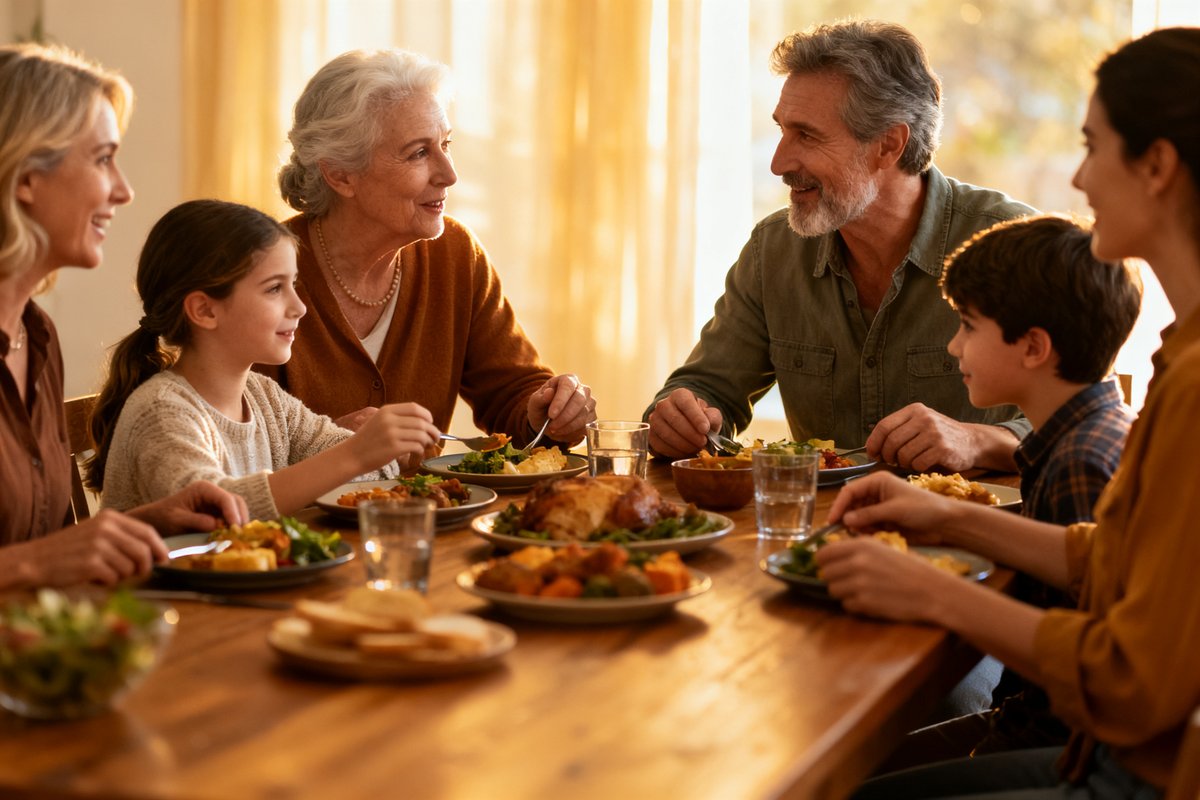
Create family traditions that honor both perspectives. Incorporate grandparents' cultural traditions and family rituals while adapting them to modern contexts. Establish new traditions that bridge the generations, such as a monthly multigenerational family dinner where everyone contributes. These shared positive experiences build relationship capital that sustains families through inevitable disagreements.
General parenting advice: prioritize the long-term relationship over short-term disagreements. The way you handle parenting philosophy differences today shapes your family dynamics for years to come. Families that learn to navigate differences with respect and humor create environments where children feel secure in the love of both their parents and grandparents.
Bridging the generation gap between grandparents and parents requires effort, understanding, and a willingness to prioritize love over being right. Parenting philosophies will always evolve, but the love that grandparents and parents share for their children is constant. Approach differences with curiosity rather than judgment, communicate respectfully, and focus on the shared goal of raising happy, healthy children who know they are loved by multiple generations.
"Grandparents hold the history. Parents hold the present. Children hold the future. When all three generations respect each other's perspectives, the family becomes unstoppable."
"Different parenting philosophies do not have to mean family conflict. They can be opportunities for growth, understanding, and deeper connection across generations."