Table of Contents
Everything you need to know about teaching your teen to drive safely.
Jordan Myers
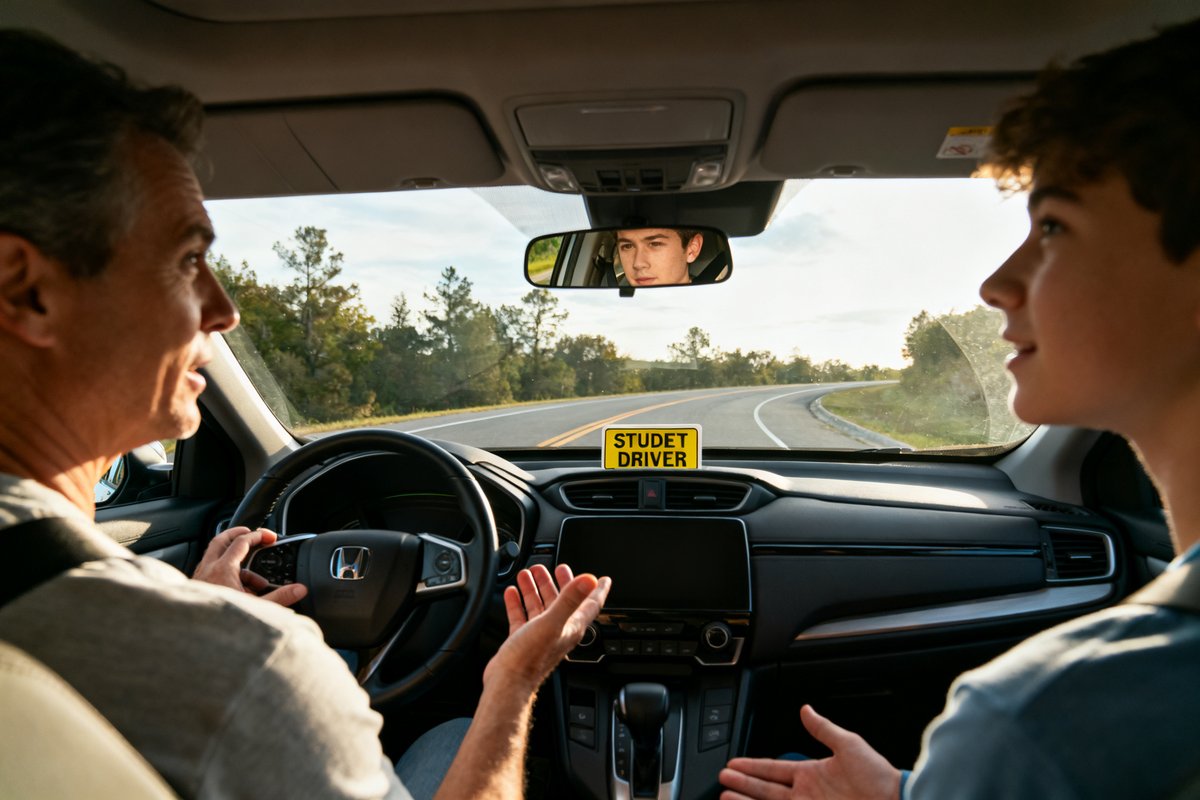
Everything you need to know about teaching your teen to drive safely.
Planning your first camping trip is exciting, but packing can feel overwhelming. You want to bring everything you might need while keeping your load manageable. After years of guiding beginners through their first outdoor experiences, we have put together this definitive camping checklist to make sure you do not forget the essentials.
Below is a comprehensive checklist organized by category. Print this page or save it to your phone before heading out. Each category covers the core items every first-time camper needs, along with a few extras that turn a good trip into a great one.
"The difference between a good camping trip and a miserable one is almost always preparation. A checklist is not overthinking — it is the difference between sleeping warm and shivering through the night."
| # | Item | Notes |
|---|---|---|
| 1 | Tent (3-season for most conditions) | 2-person minimum for solo, 4-person for two |
| 2 | Footprint or ground tarp | Protects tent floor from rocks and moisture |
| 3 | Sleeping bag (rated for expected temps) | Down for weight, synthetic for wet conditions |
| 4 | Sleeping pad (inflatable or foam) | Essential for insulation and comfort |
| 5 | Camp pillow (or stuff-sack clothes pillow) | Compressible travel pillows save space |
| 6 | Tent stakes (extra set) | Replacements for bent or lost stakes |
| 7 | Tent repair kit (pole splint, patch) | Lightweight insurance against breakage |
| 8 | Emergency bivvy or space blanket | Backup shelter if tent fails |
| # | Item | Notes |
|---|---|---|
| 9 | Camp stove (propane or liquid fuel) | Canister stoves are easiest for beginners |
| 10 | Fuel canisters (1 per 2-3 days of cooking) | Check compatibility with your stove |
| 11 | Cook set (pot, pan, or mess kit) | Lightweight aluminum or titanium |
| 12 | Utensils (spoon, fork, spatula) | Titanium spork = ultralight MVP |
| 13 | Plate and cup (or bowl combo) | Melamine or collapsible silicone |
| 14 | Water filter or purification tablets | Critical if no potable water at campsite |
| 15 | Bear-proof food container or hang bag | Required in many campgrounds |
| 16 | Cooler (with ice packs for perishables) | Rotomolded coolers hold ice longer |
| # | Item | Notes |
|---|---|---|
| 17 | Rain jacket (waterproof, breathable) | Do not rely on a cheap poncho |
| 18 | Hiking boots or trail shoes | Broken in before the trip, not during |
| 19 | Base layers (merino or synthetic) | Never cotton against skin in cold weather |
| 20 | Insulating mid-layer (fleece or puffy) | Adds warmth when stationary |
| 21 | Extra socks (3-4 pairs, merino wool) | Dry socks = happy feet |
| 22 | Warm hat and gloves | Temperatures drop after sunset |
| 23 | Sun hat or cap with brim | Sun protection during the day |
| 24 | Camp shoes (sandals or slip-ons) | Let feet breathe around camp |
"Cotton kills. It absorbs moisture, stays wet, and leaches body heat faster than almost any other fabric. For base layers and socks, use merino wool or synthetic materials only."
| # | Item | Notes |
|---|---|---|
| 25 | First aid kit (pre-made or DIY) | Include blister care, antiseptic, bandages |
| 26 | Fire starter (lighter, waterproof matches, ferro rod) | Bring 2-3 different ignition sources |
| 27 | Whistle (for emergency signaling) | 3 blasts = universal distress signal |
| 28 | Compass and map of the area | Do not rely solely on phone GPS |
| 29 | Headlamp or flashlight (with extra batteries) | Hands-free is safer at night |
| 30 | Multi-tool or fixed-blade knife | Countless daily uses around camp |
| 31 | Emergency shelter (tube tent or large trash bags) | Lightweight backup option |
| 32 | Personal locator beacon (optional, recommended) | For remote or solo trips |
| # | Item | Notes |
|---|---|---|
| 33 | Toilet paper and trowel (for catholes) | Pack out used TP in a sealed bag |
| 34 | Hand sanitizer and biodegradable soap | Wash hands before every meal |
| 35 | Quick-dry towel (pack towel) | Microfiber towels are lightweight |
| 36 | Sunscreen (SPF 30+) | UV exposure is higher at altitude |
| 37 | Insect repellent (DEET or picaridin) | Tick prevention is critical in wooded areas |
| 38 | Trash bags (ziplock and heavy-duty) | Pack it in, pack it out |
| 39 | Toothbrush and toothpaste (biodegradable) | Brush 200 feet from water sources |
| 40 | Baby wipes (biodegradable) | Quick freshen-up without a shower |
| # | Item | Notes |
|---|---|---|
| 41 | Smartphone with offline maps downloaded | Airplane mode saves battery |
| 42 | Portable power bank (10,000 mAh+) | Solar chargers are slow but useful for multi-day trips |
| 43 | GPS device or mapping app (Gaia, AllTrails) | Download maps before losing signal |
| 44 | Extra headlamp batteries | LEDs dim gradually — swap early |
| 45 | Signal mirror or whistle | Passive emergency tools that never run out of power |
| 46 | Small notepad and pen | Journal the experience, note trail conditions |
| # | Item | Notes |
|---|---|---|
| 47 | Camp chair (lightweight) | Makes evenings around the fire much more comfortable |
| 48 | Paracord or rope (25-50 ft) | Clothesline, tarp setup, gear repair |
| 49 | Duct tape (wrapped around a pencil or bottle) | Repairs tent tears, blisters, gear straps |
| 50 | Cash and ID (driver license, insurance card) | Some campgrounds are cash-only |
| 51 | Newborn Care permit and reservation confirmation | Printed backup in case phone dies |
| 52 | Trash compactor bags (2-3) | Heavy-duty liners for wet gear or trash |
| 53 | Small repair kit (needle, thread, zip ties) | Fixes broken backpack straps and tent mesh |
| 54 | Playing cards, book, or journal | Evening entertainment without batteries |
Total: 54 essential items across 7 categories
Having the right gear is only half the battle. How you pack determines how much you enjoy your trip. Here are practical packing strategies that save time, weight, and frustration at the campsite.
Pack items in reverse order of need. Your sleeping bag and shelter go in first since you only need them at camp. Rain gear, snacks, and your first aid kit go on top for quick access. This system prevents having to unpack everything to find your sunscreen when the sun breaks through the trees.
Heavy items belong close to your back and centered between your shoulders. A well-balanced pack feels significantly lighter than an unbalanced one even at the same total weight. Sleeping bags and clothing should go in the bottom compartment. Stove fuel, food, and water sit in the middle. Light items like your sleeping pad can strap to the outside.
Set up your tent in the backyard before your trip. Inflate your sleeping pad and check for leaks. Cook a meal on your stove to learn the ignition and flame control. Discovering a missing tent pole or a faulty stove valve at home is frustrating. Discovering it at a campsite five miles from the car can end your trip early.
"A beginner's mistake is buying gear and trusting it will work perfectly out of the box. Zippers snag, stove jets clog, and sleeping pads develop slow leaks. Test everything before you depend on it in the backcountry."
Your sleeping pad. Many beginners focus on the tent or sleeping bag, but the sleeping pad provides critical insulation from the cold ground. Even the warmest sleeping bag will not keep you warm if the cold ground sucks away your body heat all night. A good pad with an R-value of 3.5 or higher makes the difference between a restful sleep and a miserable night.
The general guideline is one gallon (3.8 liters) per person per day. This covers drinking, cooking, and basic hygiene. If your campsite has potable water, you can bring less and refill. If you are relying on natural water sources, bring a reliable water filter or purification tablets as backup.
Bear safety depends on your location. In bear country, you must store all food, trash, and scented items (toothpaste, deodorant, sunscreen) in a bear-proof canister or hang them from a bear pole at least 100 feet from your tent. Never keep food in your tent. Check campground regulations before you go — many popular parks require bear canisters and will fine you for improper storage.
First, make sure your tent is properly staked and guylines are secured. Seek higher ground if there is risk of flooding, but avoid open areas during lightning. Have a plan to pack up quickly if conditions worsen. Always check the forecast before leaving and share your itinerary with someone who is not on the trip.
Newborn Care alone can be safe and rewarding if you choose a well-maintained, established campground for your first solo trip. Pick a site near other campers, tell someone your exact location and return time, and stick to familiar gear you have tested. Save remote solo trips for after you have gained experience with group camping.