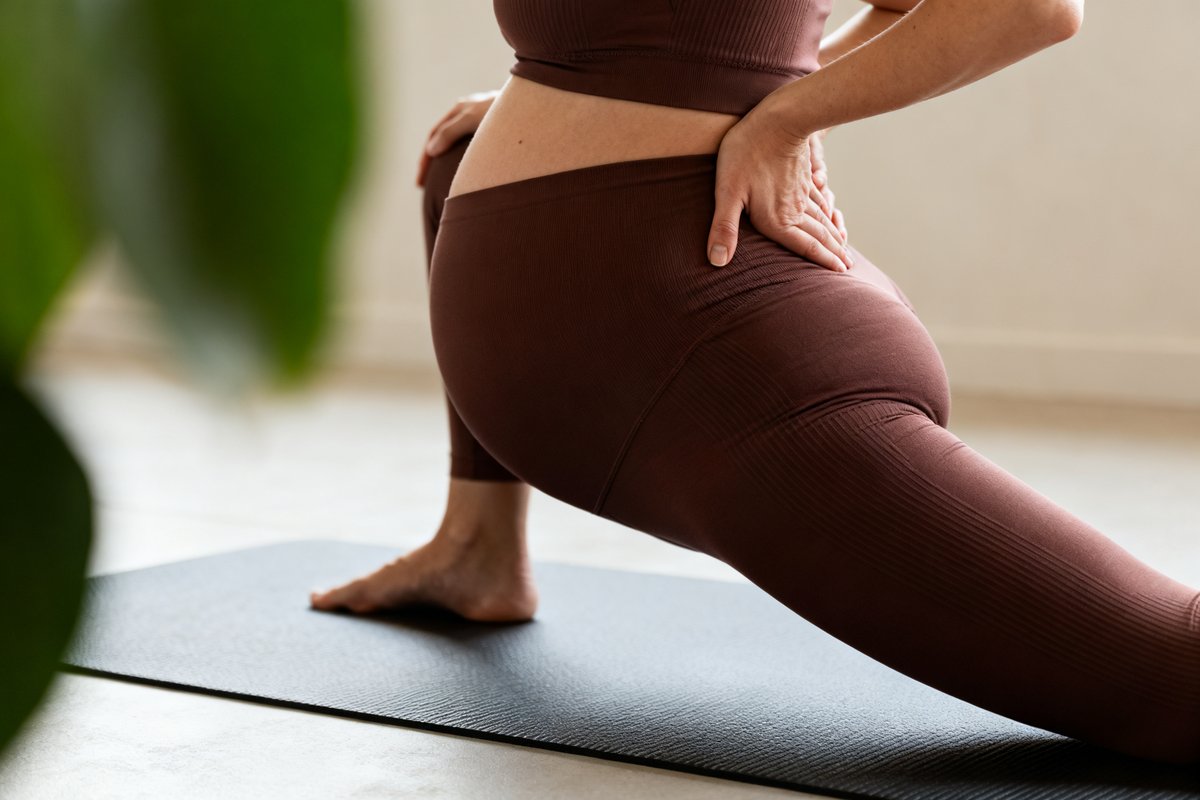
Regular exercise during pregnancy is safe and recommended for most women, offering benefits for both mother and baby.
The American College of Obstetricians and Gynecologists recommends 150 minutes of moderate-intensity aerobic activity per week during pregnancy.
Each trimester brings different considerations and modifications to keep exercise safe and comfortable.
Core exercises, balance activities, and intensity should be adjusted as your pregnancy progresses.
Listen to your body and stop any activity that causes pain, dizziness, shortness of breath, or unusual symptoms.
Exercise in the First Trimester: Establishing Safe Habits
If you were active before pregnancy, you can generally continue your regular exercise routine during the first trimester with some common-sense modifications. If you were not active before pregnancy, the first trimester is a great time to start gentle activities like walking, swimming, or prenatal yoga. Always get clearance from your healthcare provider before beginning a new exercise program during pregnancy.
The first trimester is characterized by significant hormonal changes that affect your joints and ligaments. Relaxin, a hormone released during pregnancy, increases joint laxity, which means your joints are more mobile and potentially less stable. This makes it important to avoid sudden, jerky movements and to focus on controlled, stable exercises.
Excellent first-trimester exercise choices include brisk walking, swimming and water aerobics, stationary cycling, prenatal yoga and Pilates, and strength training with light to moderate weights focusing on proper form. Exercises to approach with caution include any activity with high fall risk, contact sports, and hot yoga which can raise core body temperature too high.
Your first trimester energy levels may fluctuate significantly. Some days you feel great; other days fatigue and nausea make exercise the last thing you want to do. Honor where you are — a gentle 15-minute walk is better than nothing, and rest days are sometimes exactly what your body needs. The goal is consistency over the long term, not perfection on any given day.
Every child develops differently, and these general parenting guidelines should be discussed with your healthcare provider for personalized advice.
Second Trimester: The Sweet Spot for Prenatal Fitness
For many women, the second trimester brings renewed energy and decreased nausea, making it an ideal time to maintain or gently increase exercise intensity. Your baby bump is growing, and your center of gravity is shifting, which affects balance and coordination.
As your belly expands, exercises performed lying flat on your back (supine position) should be avoided after about 16-20 weeks. The weight of the growing uterus can compress the vena cava, reducing blood flow to both you and your baby. Modify by propping yourself up with pillows at a 45-degree angle or switch to side-lying or seated alternatives.
Balance becomes more challenging as your pregnancy progresses. Your growing belly shifts your center of gravity forward, and your joints are looser due to relaxin. Modify standing exercises that require significant balance by holding a wall or sturdy chair for support. Avoid exercises that require rapid direction changes or single-leg stability.
This is an excellent time for pregnancy-specific fitness classes and programs designed around the needs of expectant mothers. Prenatal yoga classes emphasize breathing, pelvic floor awareness, and modified poses. Prenatal strength training programs focus on the muscle groups most needed during labor and postpartum recovery.
Watch for signs of overheating during exercise in any trimester. Exercise in a well-ventilated, temperature-controlled environment, wear breathable clothing, and stay hydrated before, during, and after your workout. If you feel dizzy, nauseated, or overheated, stop and cool down immediately.
Third Trimester and Postpartum Return to Exercise
Exercise in the third trimester focuses on maintaining strength and mobility rather than pushing limits. Your energy may decrease again as your body prepares for birth, and physical discomforts like back pain, pelvic pressure, and shortness of breath may affect your ability to exercise at previous levels.
Low-impact activities remain excellent choices in the third trimester. Walking is accessible, safe, and can be continued right up until delivery. Swimming and water exercise are particularly beneficial as the water supports your weight and relieves pressure on your joints and back. Many women find that regular exercise helps reduce third-trimester discomforts including swelling, back pain, and difficulty sleeping.
Pelvic floor exercises, often called Kegels, are important throughout pregnancy and especially in the third trimester. These exercises strengthen the muscles that support your bladder, uterus, and bowel. To perform Kegels correctly, contract the muscles you would use to stop the flow of urine, hold for 5-10 seconds, then relax fully. Aim for three sets of 10 repetitions daily.
After delivery, returning to exercise requires patience. Most healthcare providers recommend waiting until your postpartum checkup — typically at 6 weeks — before resuming pre-pregnancy exercise intensity. Begin with gentle walking and pelvic floor exercises. Gradually add low-impact activities as your energy returns and any pain subsides.
Trust your instincts as a parent. You know your child better than anyone else. When something does not feel right, speak up and ask questions.
Frequently Asked Questions
Can exercise cause miscarriage or preterm labor?
For healthy pregnancies with no complications, moderate exercise does not increase the risk of miscarriage or preterm labor. In fact, regular exercise is associated with a reduced risk of pregnancy complications including gestational diabetes and preeclampsia. However, if you have specific risk factors or complications, your healthcare provider may recommend activity modifications.
What heart rate should I maintain during pregnancy exercise?
The old guideline of keeping your heart rate below 140 beats per minute has been replaced by the 'talk test' approach. You should be able to carry on a conversation while exercising. If you cannot speak in full sentences, you are working too hard. If you can sing, you could increase your intensity slightly.
Is it safe to run during pregnancy?
Running is generally safe during pregnancy for women who were regular runners before pregnancy. As your pregnancy progresses, you may need to reduce your pace, distance, or frequency. Listen to your body and be prepared to switch to walking or run-walk intervals. Some women run comfortably into their third trimester, while others find it too uncomfortable by the second.
What warning signs should cause me to stop exercising immediately?
Stop exercising and contact your healthcare provider if you experience any of these symptoms: vaginal bleeding, dizziness or feeling faint, shortness of breath before starting exercise, chest pain, headache, muscle weakness affecting balance, calf pain or swelling, regular painful contractions, or fluid leaking from your vagina.
Conclusion
Staying active during pregnancy is one of the best things you can do for your health and your baby's well-being. By understanding how to modify your workouts for each trimester, listening to your body's signals, and working with your healthcare provider's guidance, you can maintain the benefits of exercise throughout your pregnancy.
This information is provided for general parenting guidance and educational purposes. Always consult with your healthcare provider for medical advice specific to your situation.
Adapting Exercise Across Each Trimester
Exercise during the first trimester can generally continue at your pre-pregnancy level, provided your doctor has cleared you and you are not experiencing complications. The main adjustments are avoiding overheating, staying well-hydrated, and modifying any exercises that involve lying flat on your back after the first trimester. Listen to your body: fatigue and nausea may reduce your usual intensity, and that is perfectly normal. Walking, swimming, stationary cycling, and prenatal yoga are excellent choices during this phase.
During the second trimester, your energy often returns and this is a great time to maintain or slightly increase your activity level. However, your changing center of gravity requires modifications to balance exercises and your growing belly makes certain positions uncomfortable. Avoid contact sports, activities with high fall risk like skiing or horseback riding, and any exercise involving heavy straining. Focus on strengthening your core and pelvic floor, which support your changing body and prepare you for labor. Many women find this trimester the most enjoyable for exercise.
The third trimester is about maintenance and comfort rather than fitness gains. Your joints are looser due to the hormone relaxin, increasing your risk of injury from overstretching. Short, frequent walks help manage swelling and prepare your body for labor. Squats and gentle stretching open the pelvis and can be beneficial for positioning. Pay close attention to signs that you need to stop: dizziness, shortness of breath that does not resolve with rest, contractions, bleeding, or decreased fetal movement. Always consult your healthcare provider before starting or continuing any exercise program during pregnancy.
Warning Signs to Stop Exercising
While exercise is beneficial during pregnancy, certain symptoms require immediate medical attention. Stop exercising and contact your healthcare provider if you experience vaginal bleeding, dizziness or feeling faint, shortness of breath that does not resolve with rest, chest pain, headache that is severe or persistent, muscle weakness affecting your ability to balance, calf pain or swelling, regular painful contractions, or fluid leaking from your vagina. These symptoms may indicate a complication that requires medical evaluation before you continue exercising.
Listen to your body above all else. Pregnancy is not the time to push through discomfort or test your limits. If an exercise does not feel right, stop. If you feel tired, rest. If you are unsure whether an activity is safe, ask your healthcare provider. The goal of pregnancy exercise is not to maintain or improve fitness levels. The goal is to support your body through the physical demands of pregnancy, prepare for labor, and aid postpartum recovery. A gentle, consistent approach that respects your changing body serves this goal far better than pushing for performance or progress.