Key Takeaways
- Start pumping 2-3 weeks before returning to work to build a small freezer stash and get comfortable with your pump.
- A typical work pumping schedule involves 3 sessions per 8-hour workday, spaced evenly throughout the day.
- Breast milk storage guidelines: room temperature (4 hours), refrigerator (4 days), freezer (6-12 months depending on freezer type).
- Maintain your supply by pumping at the same times your baby would nurse, staying hydrated, and reducing stress.
- The Pumping at Work packet from the Office on Women's Health provides legal information about your rights to pump at work.
Building Your Freezer Stash and Getting Comfortable With Your Pump
Building a freezer stash before you return to work reduces stress and ensures your baby has enough milk for their first day away from you. Start pumping once daily about 2-3 weeks before your return date, ideally in the morning when milk supply is highest. Even one extra ounce per day adds up to more than 20 ounces by the time you go back to work.
Get to know your breast pump well before your first day at work. Read the manual, learn how to assemble and disassemble all parts, and understand the settings. Measure your nipple size to ensure you have the correct flange fit — the wrong size flange is one of the most common causes of pumping discomfort and reduced output. Most pumps come with standard 24mm and 28mm flanges, but sizes range from 15mm to 36mm.
Practice pumping in different situations. Pump after a nursing session to collect the remaining milk. Try a power pumping session (pump 10 minutes, rest 10 minutes, repeat for one hour) to mimic cluster feeding and boost supply. Experiment with pump settings to find the suction level and pattern that works best for you. The highest suction level is not necessarily the most effective — a comfortable, rhythmic pattern often produces more milk.
Hands-on pumping, where you gently massage your breast while pumping, can increase output by up to 30 percent. Use your hands to compress different areas of the breast while the pump is running. Some pumps have silicone massage cushions that simulate this effect, but manual compression is still more effective.
If pumping is painful or produces very little milk despite correct setup, consider renting a hospital-grade pump. These pumps have stronger motors and more effective suction patterns than most personal pumps. Many insurance plans cover hospital-grade pump rentals for medical necessity.
Every child develops differently, and these general parenting guidelines should be discussed with your healthcare provider for personalized advice.
Creating a Pumping Schedule at Work
A well-planned pumping schedule at work makes the transition smoother for you, your employer, and your baby. Most mothers need to pump about three times during an 8-hour workday to maintain their milk supply and provide enough milk for their baby. A typical schedule might be mid-morning, lunchtime, and mid-afternoon.
Communicate with your employer about your pumping needs before your first day back. Under the federal Break Time for Nursing Mothers law, employers are required to provide reasonable break time and a private space (not a bathroom) for pumping for up to one year after your child's birth. Let your manager know your expected pumping times and work together to plan around meetings and responsibilities.
Set up your pump parts efficiently to save time. Many working mothers use the refrigerator method: after pumping, rinse pump parts and store them in a sealed bag in the work refrigerator rather than washing them between each session. You can also buy extra pump part sets to reduce cleaning. A hands-free pumping bra allows you to pump while continuing to work at your desk.
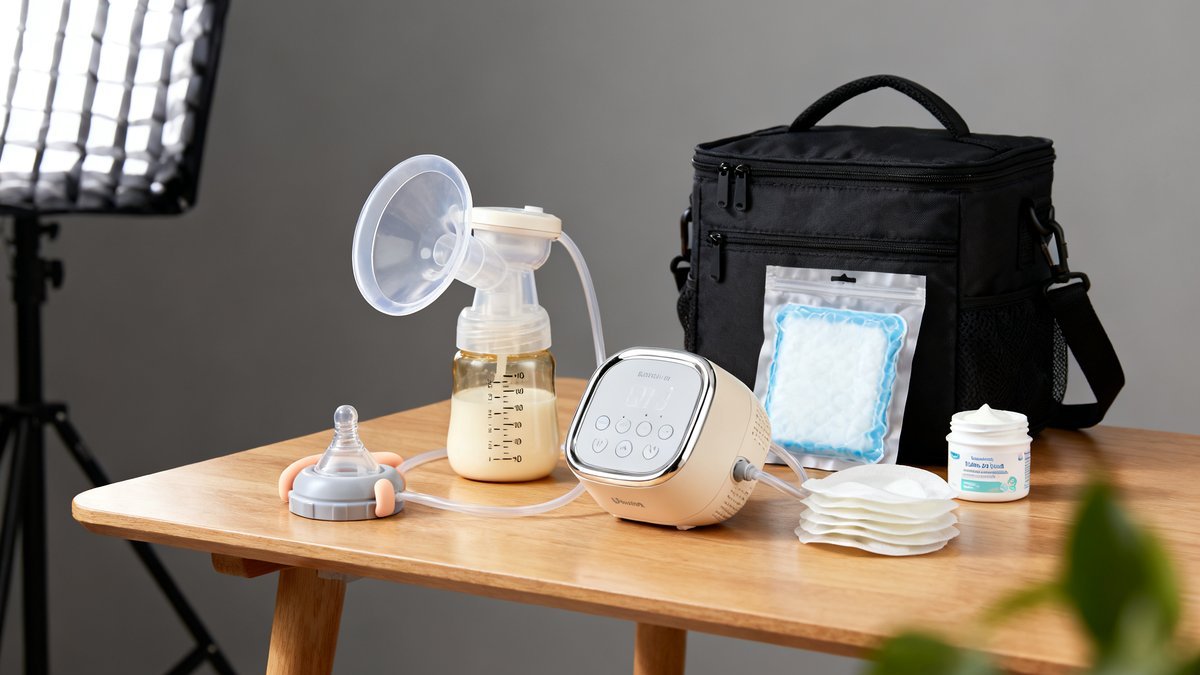
Pack a pumping bag the night before with all essentials: pump and parts, bottles or storage bags, hands-free bra, cleaning supplies or storage bag for used parts, a small cooler with ice packs for transporting milk, and a burp cloth or paper towels for spills. Having everything ready reduces morning stress.
If your baby reverse-cycles and nurses more at night to make up for missed daytime feedings, do not worry. Many breastfed babies naturally adjust their feeding patterns when their mother returns to work. You may need to handle one or two night feedings, which is normal and temporary.
Milk Storage, Transport, and Maintaining Supply
Proper milk storage keeps your expressed milk safe and maintains its nutritional quality. Label all milk with the date it was expressed and use the oldest milk first. Store milk in the back of the refrigerator or freezer, not in the door where temperature fluctuates. Breast milk can be stored at room temperature (up to 77 degrees Fahrenheit) for 4 hours, in the refrigerator for 4 days, in a standard freezer for 6 months, and in a deep freezer for 12 months.
Transport milk from work in an insulated cooler bag with ice packs. Milk stored with ice packs in a cooler remains safe for up to 24 hours. When you get home, transfer milk to the refrigerator or freezer immediately. If you have a long commute, consider keeping a small cooler at your desk and transferring milk to the main refrigerator at designated times.
Thaw frozen milk by placing it in the refrigerator overnight, running it under warm water, or placing the container in a bowl of warm water. Never thaw or warm breast milk in the microwave, which creates hot spots that can burn your baby's mouth and destroys beneficial nutrients. Thawed milk must be used within 24 hours and should never be refrozen.
To maintain your supply while pumping at work, try to pump at times that roughly correspond to when your baby would nurse. Stay well hydrated throughout the day — keep a water bottle at your desk and set reminders to drink. Pictures or videos of your baby on your phone can trigger the let-down reflex and improve output. If you notice a supply drop, increase pumping frequency over a few days, add a power pumping session, and check that your pump parts are not worn and need replacement.
Know your rights. The Providing Urgent Maternal Protections for Nursing Mothers Act extended pumping protections to more employees, including some salaried and exempt workers not previously covered. If you encounter resistance at work, contact the Wage and Hour Division of the Department of Labor for assistance.
Trust your instincts as a parent. You know your child better than anyone else. When something does not feel right, speak up and ask questions.
Frequently Asked Questions
How much milk should I be pumping per session?
Average pumping output per session ranges from 2-4 ounces total (both breasts combined), though this varies significantly between women and even between sessions for the same woman. Your morning pump session will likely produce more than afternoon sessions. Focus on total daily output rather than individual session amounts. Most exclusively breastfed babies need about 1-1.5 ounces per hour that you are away.
Can I mix freshly pumped milk with refrigerated milk?
You can combine milk expressed at different times, but cool the freshly expressed milk in the refrigerator first before adding it to already-cooled milk. Adding warm milk to cold milk can slightly warm the cold milk, potentially promoting bacterial growth. Once milk has been refrigerated or frozen, do not add fresh room-temperature milk to it.
How do I clean pump parts properly?
Wash pump parts that come in contact with breast milk after each use in hot, soapy water and rinse thoroughly, or use a dishwasher. Air dry on a clean towel. Between pumping sessions at work, the refrigerator method is convenient: place used, unrinsed parts in a sealed bag and store in the refrigerator until the next pumping session. Replace pump parts according to manufacturer recommendations, typically every 3-6 months.
Will my milk supply decrease when I go back to work?
Many women experience some supply decrease when returning to work due to stress, less frequent pumping, or inadequate pumping sessions. You can minimize this by pumping consistently at the same times daily, staying hydrated, managing stress, and ensuring your pump is working efficiently. If you notice a significant decrease, increase pumping frequency temporarily and consider consulting a lactation consultant.
Conclusion
Pumping while working is challenging but absolutely manageable with planning and support. You are providing your baby with the benefits of breast milk while also meeting your professional responsibilities. Be proud of that commitment. Remember that any amount of breast milk you provide is valuable, and supplementing with formula if needed does not diminish your success as a mother.
This information is provided for general parenting guidance and educational purposes. Always consult with your healthcare provider for medical advice specific to your situation.