Table of Contents
Sleep under the stars with confidence. Your complete blueprint for a stress-free first family camping adventure.
All Ages
Jordan Myers
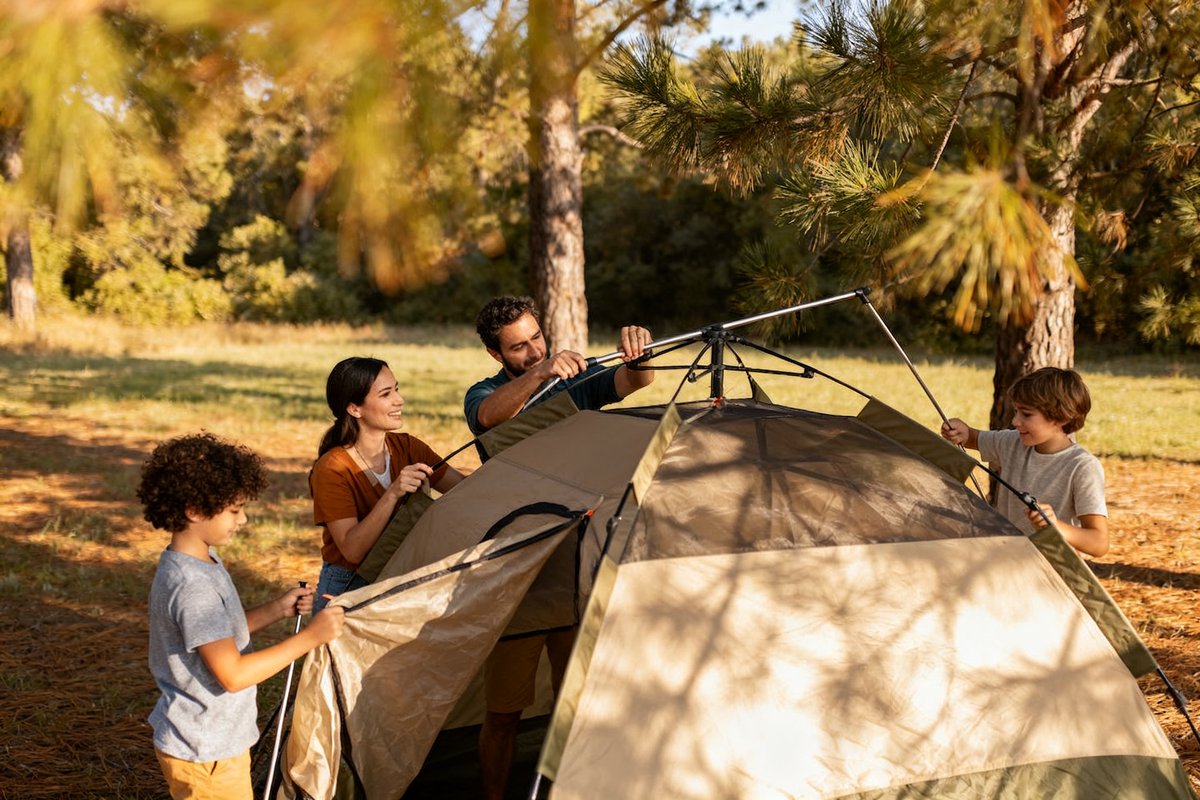
Sleep under the stars with confidence. Your complete blueprint for a stress-free first family camping adventure.
The single most important decision for first-time family campers is campsite selection. Choose a drive-up campground where your car parks directly at the site. This eliminates the need to carry gear long distances and provides a secure retreat if weather turns bad or children become overwhelmed. Look for campgrounds with flush toilets and running water for your first trip. State parks and KOA campgrounds offer excellent family-friendly facilities with playgrounds, shower houses, and activity programs.
Reserve your campsite at least a month in advance for weekend trips, especially during summer months. Popular campgrounds fill quickly, and having a confirmed reservation reduces pre-trip anxiety. Choose a site with some afternoon shade, level ground for your tent, and a cleared area for your campfire or camp stove. Avoid sites directly adjacent to restrooms, which tend to have high foot traffic and bright lights at night.
Start with the basics and resist the urge to buy everything at once. A quality tent sized for two more people than your family size provides comfortable space for sleeping and storing gear. A 6-person tent comfortably accommodates a family of four with room for bags and a portable changing area. Sleeping bags rated for temperatures 10 degrees colder than the forecasted low keep everyone warm. Sleeping pads are non-negotiable -- they provide insulation from the cold ground and transform a night in the tent from miserable to restful.
Camp kitchen essentials include a two-burner propane stove, a lightweight cooking pot, a non-stick skillet, plates and utensils for each family member, and a cooler with sufficient ice packs to keep perishables cold. Bring a large water jug with a spigot for hand washing and dish cleaning. A camp table with seating gives your family a designated dining area and keeps food off the ground.
"The best camping gear is the gear you already own. Borrow a tent, use your kitchen pots, and sleep on camping pads before investing in specialized equipment. Upgrade after you know what you actually need."
Pack clothing in layers and bring more socks than you think you need. Each family member needs a waterproof jacket, a warm mid-layer fleece, long pants for evening wear, and a hat for sun protection. Sturdy closed-toe shoes are essential for hiking and exploring around the campsite. Bring a set of pajamas and comfortable clothes for sleeping. Do not forget rain gear even if the forecast shows clear skies -- mountain weather can change rapidly.
The best camping activities require no equipment beyond what nature provides. Scavenger hunts keep children engaged for hours as they search for specific leaves, rocks, bird feathers, and animal tracks. Stargazing introduces children to astronomy and creates magical evening memories. Simple card games, story-telling around the campfire, and nature journaling provide screen-free entertainment that strengthens family bonds.
Plan meals that are simple, require minimal preparation, and use ingredients that do not need refrigeration. Pancake mix, peanut butter and jelly sandwiches, canned soups, and foil packet meals are excellent choices for first-time campers. Prepare as much food as possible at home -- pre-chop vegetables, pre-mix pancake batter, and portion snacks into individual bags. The less cooking work you have at the campsite, the more you can relax and enjoy the experience.
General parenting advice: maintain your normal bedtime routine as closely as possible. Bring familiar books, comfort objects, and pajamas from home. The consistency of routine helps children feel secure in the unfamiliar environment of a tent. A white noise app on a phone can mask unfamiliar forest sounds that might otherwise keep children awake.
Family camping creates memories that no other vacation can replicate. The shared experience of building a fire together, cooking meals outdoors, and sleeping under the stars builds family bonds that last a lifetime. Start simple, keep expectations reasonable, and remember that the goal is not perfection but connection. Your first camping trip will have challenges, but those challenges often become the most memorable moments.
"Camping with children teaches them resilience, resourcefulness, and respect for nature. These are lessons that cannot be taught in a classroom."
"The best camping trips are not the ones where everything goes perfectly. They are the ones where the tent stayed up, the food was hot enough, and everyone fell asleep smiling."